
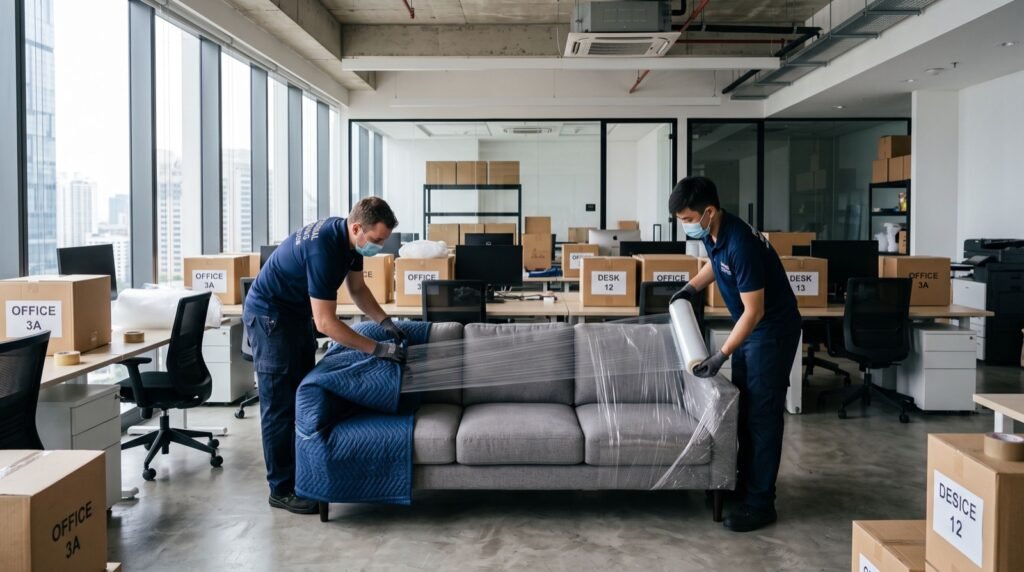
Sometimes a move and a move-in do not line up, and that gap is exactly where furniture storage in Dubai becomes a lifesaver. Whether your new home is not ready, you are travelling for a few months, or you are downsizing and need to keep seasonal pieces safe, secure storage bridges the space between two chapters. In 2026, with more residents relocating across the UAE and juggling flexible leases, professional storage has shifted from a luxury to a smart everyday tool.
This guide explains how furniture storage works, how to prepare items for the warehouse, and how to combine storage with a well-planned relocation.
When do you need furniture storage in Dubai?
Storage solves real, common problems. You might sell your current home before the new one is handed over, or relocate abroad temporarily and want your furniture protected rather than sold. Families renovating a villa also use storage to keep pieces safe from dust and paint.
Whatever the reason, the goal is the same: keep your belongings secure, climate-protected, and easy to retrieve when you are ready.
How does professional furniture storage work?
Reputable providers collect your items, inventory them, wrap them, and store them in a monitored facility. You receive a documented list, and many companies offer climate control to guard against Dubai’s summer heat and humidity.
Pairing storage with your relocation is efficient. Teams offering movers and packers in Abu Dhabi can pack, transport, and store in one coordinated service, so your furniture moves seamlessly from home to warehouse and back.
- Itemised inventory with photos.
- Professional wrapping and padding.
- Climate-controlled, monitored units.
- Flexible short and long-term contracts.
- Scheduled retrieval and redelivery.
Preparing your furniture for storage
Good preparation prevents damage during weeks or months in a unit. A little effort before storage pays off when you unpack.
- Clean and fully dry every item to prevent mould.
- Dismantle beds and tables to save space.
- Wrap wooden surfaces in moving blankets, not plastic that traps moisture.
- Cover sofas with breathable fabric covers.
- Label boxes clearly and keep an inventory copy.
Choosing the right facility matters as much as the packing. Compare the essentials before you commit.
| Storage feature | Standard unit | Premium unit |
|---|---|---|
| Climate control | Sometimes | Always |
| Security | Basic locks | 24/7 CCTV + alarms |
| Access | Limited hours | Scheduled on demand |
| Insurance | Optional | Included |
| Best for | Short term | Valuables, long term |
Combining storage with your move
The smartest relocations treat storage as one step in a larger plan. Book a mover that also handles warehousing so a single team manages the chain from packing to retrieval.
Reliable furniture storage Dubai providers give you an inventory you can track and a delivery date you can rely on. For added peace of mind, work with trusted professionals who insure stored goods and document their condition on both intake and release.
Keeping stored items safe long term
Even in a good facility, a few habits protect your furniture over months.
- Choose climate control for wood, leather, and electronics.
- Confirm insurance covers the full replacement value.
- Avoid storing perishables or liquids.
- Review the inventory list before and after storage.
The UAE Government portal highlights that organised planning around housing transitions helps residents avoid gaps and unexpected costs during relocation.
Short-term versus long-term storage
Not all storage needs are the same, and matching the plan to your situation controls both cost and convenience. Short-term storage suits a few weeks between homes, while long-term storage fits residents travelling abroad or holding furniture during a lengthy renovation.
Short-term users often prioritise easy access and flexible retrieval. Long-term users care more about climate control, insurance, and monitoring, since their items sit untouched for months. Clarify your timeline before you sign so you pay only for what you genuinely need.
- Short term: flexible dates, frequent access, lower total cost.
- Long term: climate control, full insurance, monthly discounts.
- Seasonal: rotate décor, outdoor furniture, and equipment.
- Business: archive documents, stock, and office furniture.
What not to put into storage
A few items simply do not belong in a storage unit, and knowing them protects your belongings and keeps you compliant with facility rules.
Never store perishable food, liquids, or anything flammable. Plants will not survive, and damp or unsealed items invite mould in Dubai’s humidity. Highly valuable jewellery and critical documents are usually safer in a home safe or bank deposit box than in general storage.
- Perishable or opened food items.
- Flammable liquids, gas, and chemicals.
- Plants and anything living.
- Irreplaceable documents better kept in a safe.
Making the most of your storage space
Smart packing lowers your storage volume, and volume drives price. Dismantle furniture, stack boxes uniformly, and place frequently needed items near the front for easy retrieval.
Leave a small walkway if you plan to access the unit regularly, and keep a simple map of where key boxes sit. These small habits turn a jumbled unit into an organised extension of your home that you can navigate in minutes rather than hours.
Choosing the right storage facility
The facility you pick matters as much as how you pack. A cheap unit that lacks climate control or security can cost you far more in damaged belongings than the savings were worth.
Visit the facility if you can, or ask for recent photos and a clear description of the security and climate systems. Confirm access hours, insurance terms, and whether the provider handles collection and redelivery. A transparent, well-run facility gives you confidence that your furniture is genuinely safe.
- Check for 24/7 CCTV, alarms, and controlled access.
- Confirm climate control for heat-sensitive items.
- Ask about pest control and cleanliness standards.
- Review the insurance coverage and its limits.
- Clarify notice periods for retrieval and redelivery.
How storage supports a stress-free move
Storage is not just a fallback; it is a strategic tool that removes pressure from the whole relocation. When timelines do not align, storage lets you move on your own schedule rather than racing to fit everything into a single chaotic day.
It also enables staged moves, where you shift non-essentials to storage early and keep only daily items at home until the final day. That approach spreads the workload, reduces move-day stress, and gives you room to settle into the new home gradually and comfortably.
Frequently Asked Questions
How much does furniture storage in Dubai cost?
Cost depends on volume, duration, and whether the unit is climate-controlled. Providers usually quote per cubic metre or per month, so an inventory survey gives the clearest price.
Is climate-controlled storage necessary in Dubai?
For wood, leather, electronics, and artwork, yes. Dubai’s heat and humidity can warp, crack, or mould unprotected items, so climate control is strongly recommended.
Can movers pack and store my furniture together?
Yes. Many companies offer a combined pack-and-store service, handling collection, wrapping, warehousing, and redelivery under a single coordinated plan.
How quickly can I retrieve stored items?
Most providers deliver within one to three days of your request. Confirm retrieval notice periods and delivery fees before you sign the contract.
Conclusion
When timing gets tricky, furniture storage in Dubai keeps your belongings safe and your move flexible. Prepare items properly, choose a climate-controlled and insured facility, and pair storage with a coordinated moving service. Ready to bridge the gap between homes? Book a combined moving and storage solution today and relocate with total peace of mind.